

A Case Against Sobriety
*(As Self-Optimisation)

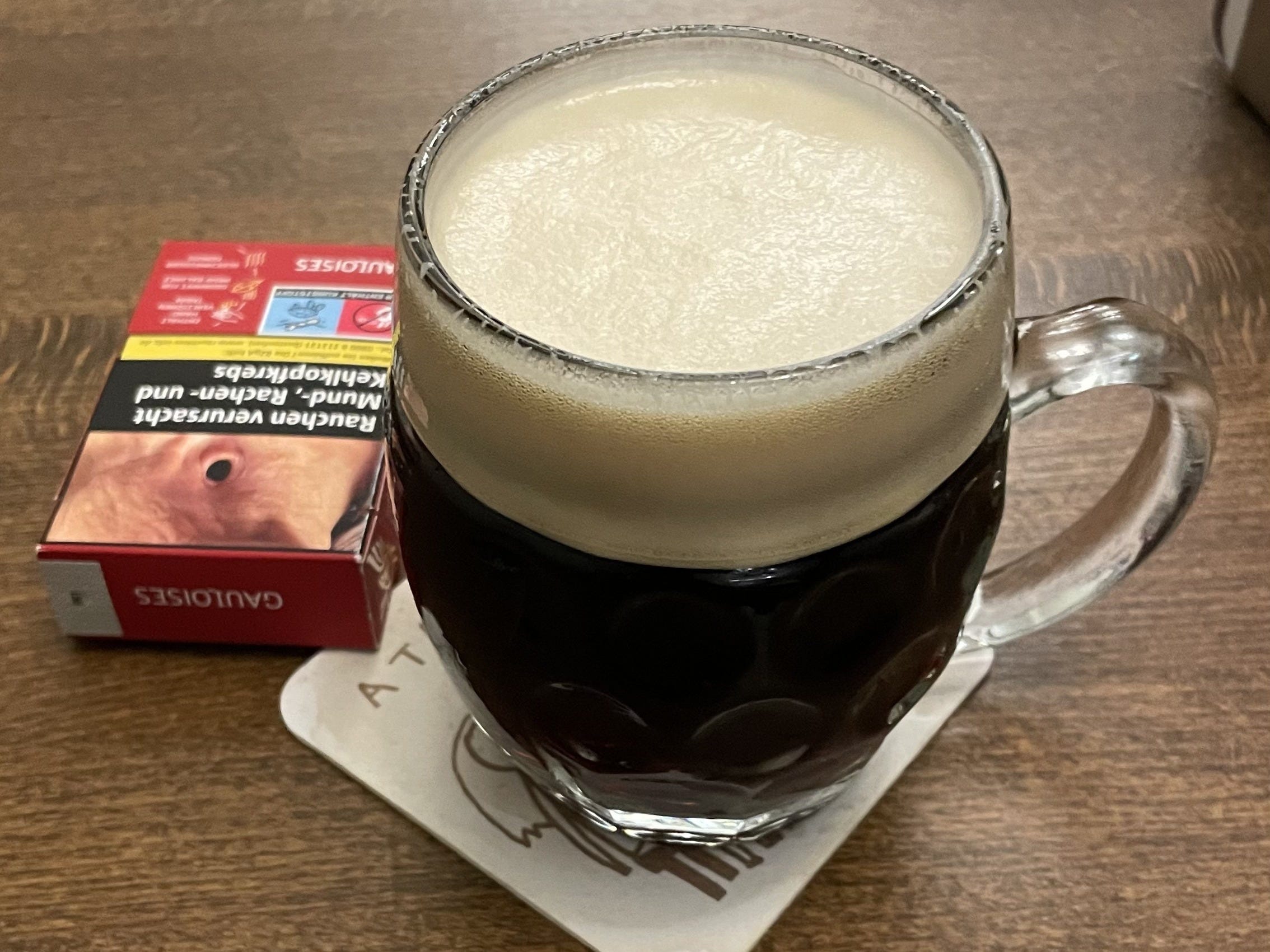
I’ve had my fair share of boozy escapades. Stealing my dad’s Old Monk at 16. Getting shitfaced on green apple Magic Moments before my high school farewell. Kingfisher Strongs on Friday evenings after college lectures. Cocktails at some of the best bars in the world, flirting with the bartender for a free shot. Sipping lugdi in a Himachali hamlet.
I’ve done it all.
Then 2025 happened.
My algorithm, stacked with Huberman clips, run clubs, collagen-sipping clean girls flexing their Whoop stats, began to feel like a targeted psyop against my fun-filled lifestyle and like many other victims, I was quick to gulp the wellness Kool-Aid.
Alcohol = BAD.
I always knew that. But suddenly, it felt urgent. Like quitting was not just healthy, but morally superior… and so I became sober curious. Slowly carving out a part of myself- the one that loved those heart-to-heart conversations with friends, only possible after inhibitions are softened by a wine buzz or one that likes shaking some ass at the club after a couple of tequila sodas.
It felt like a redemption arc.
Though, in full disclosure, my relationship with alcohol had never been disastrous. I drank socially, on weekends. I never blacked out. Never lost control. As a longtime yoga practitioner and health freak, that line was non-negotiable. Sobriety wasn’t an emergency response; it was, embarrassingly, social pressure dressed up as self-optimisation.
What followed was months of reprogramming. Becoming a “cleaner girl.”
At first, refusing a drink gave me a rush. I felt virtuous. Superior, even. Sunday morning yoga sessions hit different when my peers were nursing hangovers. But it didn’t take long to realise that sweaty nights at Summer House, a badly mixed Dance Again remix thumping while my homies drunkenly unpacked their latest situationships, were not for the sober-hearted, and karaoke was virtually impossible without the slight beer-induced haze.
So I stopped going out.
I replaced nights out with morning squash games. Finished that Digital Marketing 101 course on Coursera. Clocked eight hours of beauty sleep religiously. I still saw the homies of course, occasional brunches, weekday coffees… but with work schedules being what they are, and my newfound devotion to ‘the lifestyle’ , I saw a marked decline in my social life.
Physically, I was thriving. Skin glowing. Body tea.
Mentally, not so much.
All those Friday nights spent sipping chamomile tea began to compound, and my self-imposed austerity slowly curdled into a weird loneliness. That’s when I realised what booze had quietly been doing all along.
Yes, it’s a class-A carcinogen. But it’s also a social glue.
There’s a reason alcohol has been embedded in human communities for millennia. Sharing a drink is an act of trust. It lowers defences. It creates psychological vulnerability. Some of the deepest conversations I’ve had, about childhood trauma, buried grief, old heartbreaks, came from friends who were otherwise too guarded to go there sober.
And in a hyper-digital age where we meticulously curate our online identities, performing for the algorithm, and exist under constant surveillance, moments of loosening up, of briefly dropping the act, feel less indulgent and more necessary. I’d argue they’re essential if we want to preserve any authentic sense of self in the age of the ‘gram.
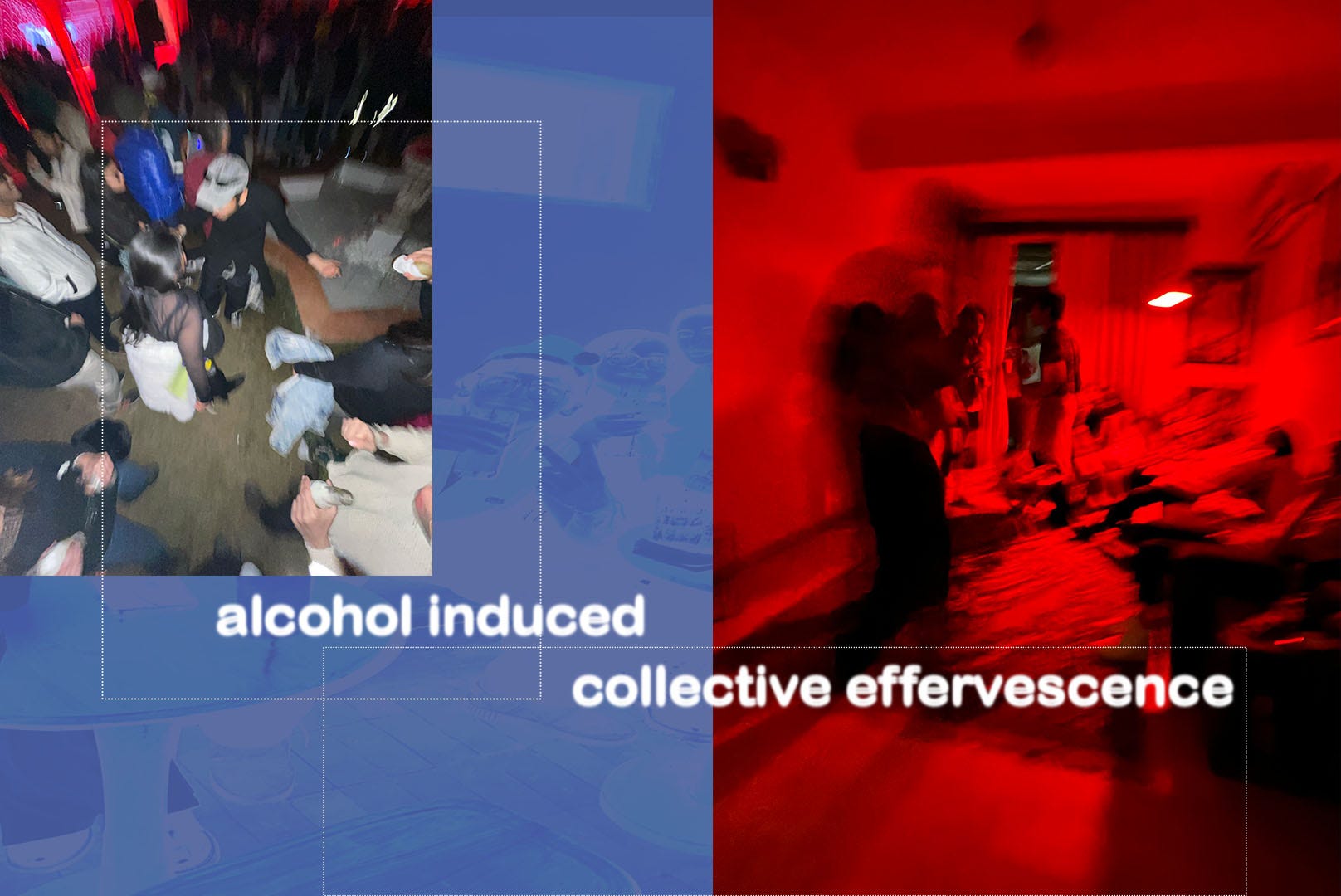
Research already tells us what we intuitively feel: my generation is lonelier, sadder, and more anxious than the ones before us. We go out less. Have less sex. Socialise less. All while maintaining flawless skin, drippy fits, and immaculate feeds. We are a generation paralysed by aesthetic discipline, and the pressure to be legible online. We are lonelier not because we lack access to people, but because we’ve hollowed out the conditions that make connection possible. We go out less. We linger less. We risk less. Every experience is subconsciously weighed against how it will look, not how it will feel. A rich life, however, is messy, inefficient, physically taxing, and emotionally inconvenient. It resists neat packaging. It does not collapse into a 30-second reel, but it gives you texture and stories worth telling you grandkids.
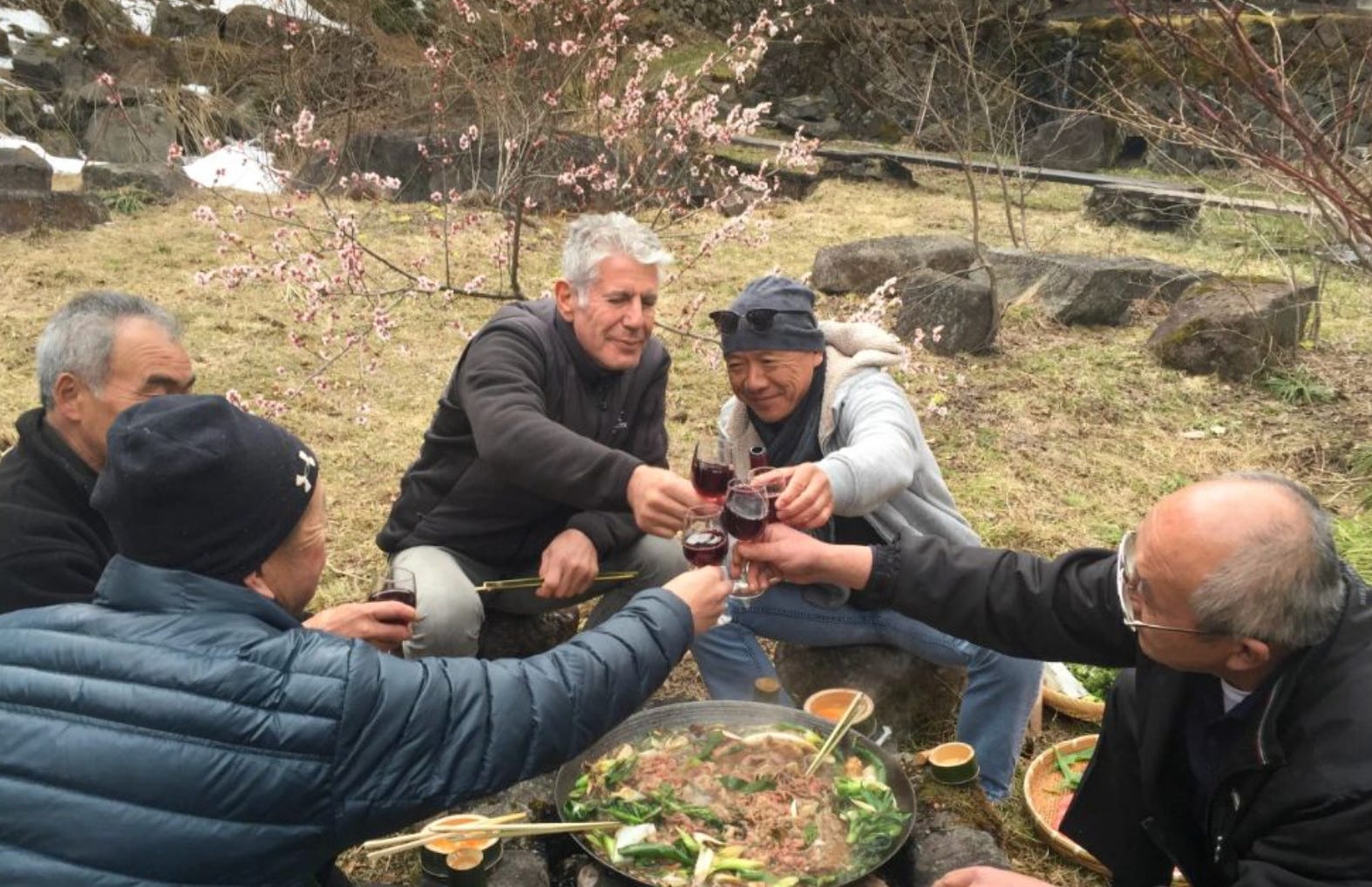
Think of how older generations lived. Think of Anthony Bourdain man, eating recklessly, drinking with strangers, talking to people unlike himself, letting the world undo him again and again. His life was expansive because it wasn’t boxed into a specific regime. He didn’t “optimise” himself out of experience. He followed curiosity over control, communion over cleanliness. Our new age conception of “Aesthetics” are cages- predictable lifestyles whose consistency appeals to the algorithm, but makes for a soulless existence.
This isn’t just pro-booze propaganda, though yes, that’s the crux of this piece. The deeper issue I strive to reveal to you is our obsession with palatable, performative versions of living, something I hope to never fall victim to again.
I’m writing this with a throbbing head, two Dispirins in, but a full heart. From meandering conversations that stretched late, legs sore from all the dancing, and a mind humming with inspiration. Yeah, last night, after a year of being sober-ish (drinking less, far less often) I’ve given up sobriety as a self-optimisation project.1 A little booze, in the service of community, curiosity, and shared vulnerability, feels like a fair trade to me. The absolute hungover piece of $h#t̤ I feel like right now? So worth it.